- The Radio: Every week people could turn on their radios and here the latest songs on specially dedicated broadcasts for music.
- Vinyl Records: By purchasing a record player, people could purchase vinyl records from the stores to play for personal use.


This way of listening to music, revolutionised public life, people became more dependant on record companies to create music and uncover new acts. The music industry really began to take off, during the 40s and 50s Decca records were hugely important to the American music industry, searching through New York bars and clubs, unearthing new talents such as Bing Crosby.
This changed the way the music industry was being run, rather than being run solely for the purpose of producing for artists, they were now also focussed on finding the latest talent by searching through pubs and clubs in the UK. This new way of thinking led to the discovery of the Beatles.


In the 70s the music industry was given a new development that increased the chances of bands to get themselves out in the open and noticed by the record companies: The Cassette.
With the cassette, radio stations now had tape players, in which they could take tapes that up and coming bands had produced and play them across the airwaves.
Cassettes also revolutionised the record industry, now more music could be stored on one tape than on vinyl records. Another bonus, was the fact that to record a song/album onto a tape, all you needed was a tape recorder and a cassette. This meant that it artists without a record label, could now independantly produce their music without a record label's help (this gave to a new wave of pirate radio stations in and around the UK). This again changed the way the music industry was being run, as now the need for record labels wasn't as nessacary. So, the record companies began giving their acts more media exposure and create idols out of them.


Arguably the biggest development so far in the music industry had been the introduction of music broadcasting onto the television. Shows formed in the 70s such as BBC's Sessions and Top of the Pops revolutionised the way in which people could listen to music and brought about the introduction of music videos. This development made popular music more accesible to the public and gave them another outlet in which to view music. Television also gave a new way for the music industry to publicise their artists with the introduction of music adverts, during which albums would be talked about in order to attract the public to the music.

 (the first cd single was So Far Away by Dire Straits)
In the late 80s and early 90s technology advanced once more with the introduction of the cd to be played on a stereo or a cd player. The cd, was a smaller compacter version of the vinyl record and could hold entire albums of music, this change brought about the introduction of neatly packaged CD sets, with information from the record company and artist. The cd also helped to make the whole process of making music easier, with music easily recorded onto the cd and then packaged rather than having hours worth of tape.
Cd's then began to be formatted along with another technological advancement that changed the music industry once more: Computers.


Computers advanced the music industry more than any other in terms of technology, with computers, record companies now had processors loaded with programs in which they could manipulate the sounds of songs and instruments through various programs. Meaning that sound engineers now had to become acustomed to using computer software to make music. On the more practical side, cds could be placed into computers and stored in the memory of the computer. This gave the general public the ability to have huge record collections on one computer, downsizing from the old record collections that involved vinyls, tapes and cds.


Another invention that came about in tandem with computers, is the world wide web or internet. With this invention the music industry could now have websites for their record labels and acts which people could access with ease. The internet also gave the music industry a new source of revenue, and in the early years of the 21st century, music was available for purchase online. The internet's most famous contribution would be the sharing of music, with social networking sites such as Facebook or MySpace giving new artists a chance to upload their work to pages for the public to view.

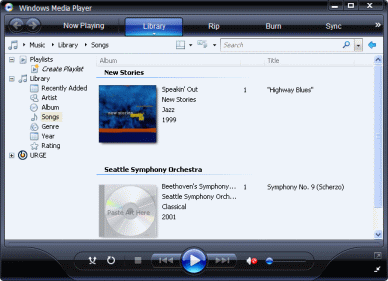
With the purchase of online music, people could now access thousands of songs and albums at the press of the button, along with the ability to order in music from dedicated music sites such as iTunes for a small fee.
The music industry now speculates that more than 75% of its sales now come from the internet, however this has come at a cost to the music industry as pirated, illegal versions of many albums are available for free on illegal download sites.

 The latest advancement of the music industry has been the introduction of new streaming sites, these websites are legal sites in which the public can stream music for free across the internet to listen to. However, this streaming has several problems, such as limited availability depending on the country you are in and the introduction of advertisement between songs for the music industry to publicise their songs. This way of listening to music has become very popular with sites such as Spotify.com challenging i-Tunes for customers.
Spotify and other streaming sites, also offer a premium function with which people can purchase a monthly subscription which omits adverts and gives the user the ability to play offline.


Finally, the music industry has seen many changes, in the future it looks as though the next advancement will centre around the ever increasing mobile phone market. Modern mobile phones can be fitted with memory cards to store music and specialised music players to listen to music. Mobile phones now have inbuilt internet connections which means that all the above can now be found condensed into various downloadable apps for the mobile phone.

No comments:
Post a Comment