The 'online revolution' is a term that describes the modern day use of the internet to do many things that were previously restricted. In terms of the music indusry, the online revolution refers to the fact that people now have the ability to create and share music across the web. There are many bonuses to this revolution for the music industry. Since the internet became a staple part of peoples lives, programs such as iTunes and Spotify have made major profits by offering the ability to stream and download music from the internet for a nominal fee. Just as the CD revolutionised the tape recorder, and the television with the radio. The internet has revolutionised the way the music industry now operates.
However the downside to all this 'new found availability' is that music can now be obtained illegally through illegal hosting and download sites that share musical content for free. This may not sound like such a bad thing given the fact that an iTunes download costs just 89p, yet it is the modern day equivalent of walking into a shop and stealing a cd from the shelf. The music industry has a growing dependance on the internet, this isn't a major blow to major multi-national companies such as UMG as they can afford the nominal losses made by illegal downloads. This is due to their ability to regain revenue from tours and other media appearances.
For independant and small budget labels such as Domino Records, the majority of their revenue is made through album sales, therefore this new trend of downloading music for free is putting their businesses at risk, since they have no other way of gaining revenue.
Overall i would say that the online revolution has for the majority harmed the music industry by facing it with problems that had not been seen previously on such a large scale (an estimated 7 billion is lost from illegal downloads, an equivlent of 700 million cds). For multi-national companies it does represent a huge loss of earning, yet due to the size of the 'big four' each can afford to make up the revenue in other areas. Yet for independant labels such as Domino the loss of revenue is so substantial that it is crippling the independants, this loss of revenue is slowly but surely forcing them out of business.
Monday, 28 February 2011

Wednesday, 16 February 2011
Universal Music Group (UMG)
Universal Music Group is the largest group of record labels in the world, owned wholly by French Media Company Vivendi. Universal music group has many subsidiaries, mainly the Universal Music Publishing group, which is responsible for the publishing of Universal's many artists who are signed to the record label: such as Eminem, Aerosmith and ABBA.
Universal Music Group may have all these record artists signed, but they will have their music published through one of Universals many subsidiaries. Labels such as Island Records and Interscope will cater for the Groups many indvidual acts, making sure that the artists style and musical talent are nurtured and, in some cases, exploited.
A list of Universal Music Groups Subsidiaries:

Universal Music Group may have all these record artists signed, but they will have their music published through one of Universals many subsidiaries. Labels such as Island Records and Interscope will cater for the Groups many indvidual acts, making sure that the artists style and musical talent are nurtured and, in some cases, exploited.
A list of Universal Music Groups Subsidiaries:
- Universal Music Publishing Group (U2, Shania Twain, Mariah Carey, Bon Jovi,)
Universal Music Group Distribution
Interscope-Geffen-A&M (Lady Gaga, Eminem, Aerosmith, Snow Patrol)
Island Def Jam Music Group (Lionel Richie, Def Leppard, Mariah Carey, Bon Jovi)
Universal Motown Republic Group
Universal Music Group Nashville
Verve Music Group
Decca Label Group
Universal Music Latin Entertainment
Universal Music Enterprises
Show Dog-Universal Music
Fontana Distribution
V2/Co-operative Music
Polydor Records
Mercury Music Group
Island Records Group
Universal Music TV
Universal Classics and Jazz
How far do you think developments in technology have changed the way the music industry operates?
The music industry has been around for about 80 years, starting off with the new generation of music that came out of the 40s and 50s. Music back then was available in only two ways:


This way of listening to music, revolutionised public life, people became more dependant on record companies to create music and uncover new acts. The music industry really began to take off, during the 40s and 50s Decca records were hugely important to the American music industry, searching through New York bars and clubs, unearthing new talents such as Bing Crosby.
This changed the way the music industry was being run, rather than being run solely for the purpose of producing for artists, they were now also focussed on finding the latest talent by searching through pubs and clubs in the UK. This new way of thinking led to the discovery of the Beatles.


In the 70s the music industry was given a new development that increased the chances of bands to get themselves out in the open and noticed by the record companies: The Cassette.
With the cassette, radio stations now had tape players, in which they could take tapes that up and coming bands had produced and play them across the airwaves.
Cassettes also revolutionised the record industry, now more music could be stored on one tape than on vinyl records. Another bonus, was the fact that to record a song/album onto a tape, all you needed was a tape recorder and a cassette. This meant that it artists without a record label, could now independantly produce their music without a record label's help (this gave to a new wave of pirate radio stations in and around the UK). This again changed the way the music industry was being run, as now the need for record labels wasn't as nessacary. So, the record companies began giving their acts more media exposure and create idols out of them.


Arguably the biggest development so far in the music industry had been the introduction of music broadcasting onto the television. Shows formed in the 70s such as BBC's Sessions and Top of the Pops revolutionised the way in which people could listen to music and brought about the introduction of music videos. This development made popular music more accesible to the public and gave them another outlet in which to view music. Television also gave a new way for the music industry to publicise their artists with the introduction of music adverts, during which albums would be talked about in order to attract the public to the music.

 (the first cd single was So Far Away by Dire Straits)
In the late 80s and early 90s technology advanced once more with the introduction of the cd to be played on a stereo or a cd player. The cd, was a smaller compacter version of the vinyl record and could hold entire albums of music, this change brought about the introduction of neatly packaged CD sets, with information from the record company and artist. The cd also helped to make the whole process of making music easier, with music easily recorded onto the cd and then packaged rather than having hours worth of tape.
Cd's then began to be formatted along with another technological advancement that changed the music industry once more: Computers.


Computers advanced the music industry more than any other in terms of technology, with computers, record companies now had processors loaded with programs in which they could manipulate the sounds of songs and instruments through various programs. Meaning that sound engineers now had to become acustomed to using computer software to make music. On the more practical side, cds could be placed into computers and stored in the memory of the computer. This gave the general public the ability to have huge record collections on one computer, downsizing from the old record collections that involved vinyls, tapes and cds.


Another invention that came about in tandem with computers, is the world wide web or internet. With this invention the music industry could now have websites for their record labels and acts which people could access with ease. The internet also gave the music industry a new source of revenue, and in the early years of the 21st century, music was available for purchase online. The internet's most famous contribution would be the sharing of music, with social networking sites such as Facebook or MySpace giving new artists a chance to upload their work to pages for the public to view.

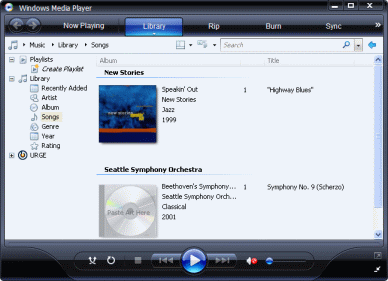
With the purchase of online music, people could now access thousands of songs and albums at the press of the button, along with the ability to order in music from dedicated music sites such as iTunes for a small fee.
The music industry now speculates that more than 75% of its sales now come from the internet, however this has come at a cost to the music industry as pirated, illegal versions of many albums are available for free on illegal download sites.

 The latest advancement of the music industry has been the introduction of new streaming sites, these websites are legal sites in which the public can stream music for free across the internet to listen to. However, this streaming has several problems, such as limited availability depending on the country you are in and the introduction of advertisement between songs for the music industry to publicise their songs. This way of listening to music has become very popular with sites such as Spotify.com challenging i-Tunes for customers.
Spotify and other streaming sites, also offer a premium function with which people can purchase a monthly subscription which omits adverts and gives the user the ability to play offline.


Finally, the music industry has seen many changes, in the future it looks as though the next advancement will centre around the ever increasing mobile phone market. Modern mobile phones can be fitted with memory cards to store music and specialised music players to listen to music. Mobile phones now have inbuilt internet connections which means that all the above can now be found condensed into various downloadable apps for the mobile phone.
- The Radio: Every week people could turn on their radios and here the latest songs on specially dedicated broadcasts for music.
- Vinyl Records: By purchasing a record player, people could purchase vinyl records from the stores to play for personal use.
This way of listening to music, revolutionised public life, people became more dependant on record companies to create music and uncover new acts. The music industry really began to take off, during the 40s and 50s Decca records were hugely important to the American music industry, searching through New York bars and clubs, unearthing new talents such as Bing Crosby.
This changed the way the music industry was being run, rather than being run solely for the purpose of producing for artists, they were now also focussed on finding the latest talent by searching through pubs and clubs in the UK. This new way of thinking led to the discovery of the Beatles.
In the 70s the music industry was given a new development that increased the chances of bands to get themselves out in the open and noticed by the record companies: The Cassette.
With the cassette, radio stations now had tape players, in which they could take tapes that up and coming bands had produced and play them across the airwaves.
Cassettes also revolutionised the record industry, now more music could be stored on one tape than on vinyl records. Another bonus, was the fact that to record a song/album onto a tape, all you needed was a tape recorder and a cassette. This meant that it artists without a record label, could now independantly produce their music without a record label's help (this gave to a new wave of pirate radio stations in and around the UK). This again changed the way the music industry was being run, as now the need for record labels wasn't as nessacary. So, the record companies began giving their acts more media exposure and create idols out of them.
Arguably the biggest development so far in the music industry had been the introduction of music broadcasting onto the television. Shows formed in the 70s such as BBC's Sessions and Top of the Pops revolutionised the way in which people could listen to music and brought about the introduction of music videos. This development made popular music more accesible to the public and gave them another outlet in which to view music. Television also gave a new way for the music industry to publicise their artists with the introduction of music adverts, during which albums would be talked about in order to attract the public to the music.
(the first cd single was So Far Away by Dire Straits)In the late 80s and early 90s technology advanced once more with the introduction of the cd to be played on a stereo or a cd player. The cd, was a smaller compacter version of the vinyl record and could hold entire albums of music, this change brought about the introduction of neatly packaged CD sets, with information from the record company and artist. The cd also helped to make the whole process of making music easier, with music easily recorded onto the cd and then packaged rather than having hours worth of tape.
Cd's then began to be formatted along with another technological advancement that changed the music industry once more: Computers.
Computers advanced the music industry more than any other in terms of technology, with computers, record companies now had processors loaded with programs in which they could manipulate the sounds of songs and instruments through various programs. Meaning that sound engineers now had to become acustomed to using computer software to make music. On the more practical side, cds could be placed into computers and stored in the memory of the computer. This gave the general public the ability to have huge record collections on one computer, downsizing from the old record collections that involved vinyls, tapes and cds.
Another invention that came about in tandem with computers, is the world wide web or internet. With this invention the music industry could now have websites for their record labels and acts which people could access with ease. The internet also gave the music industry a new source of revenue, and in the early years of the 21st century, music was available for purchase online. The internet's most famous contribution would be the sharing of music, with social networking sites such as Facebook or MySpace giving new artists a chance to upload their work to pages for the public to view.
With the purchase of online music, people could now access thousands of songs and albums at the press of the button, along with the ability to order in music from dedicated music sites such as iTunes for a small fee.
The music industry now speculates that more than 75% of its sales now come from the internet, however this has come at a cost to the music industry as pirated, illegal versions of many albums are available for free on illegal download sites.
The latest advancement of the music industry has been the introduction of new streaming sites, these websites are legal sites in which the public can stream music for free across the internet to listen to. However, this streaming has several problems, such as limited availability depending on the country you are in and the introduction of advertisement between songs for the music industry to publicise their songs. This way of listening to music has become very popular with sites such as Spotify.com challenging i-Tunes for customers.Spotify and other streaming sites, also offer a premium function with which people can purchase a monthly subscription which omits adverts and gives the user the ability to play offline.
Finally, the music industry has seen many changes, in the future it looks as though the next advancement will centre around the ever increasing mobile phone market. Modern mobile phones can be fitted with memory cards to store music and specialised music players to listen to music. Mobile phones now have inbuilt internet connections which means that all the above can now be found condensed into various downloadable apps for the mobile phone.
Monday, 14 February 2011
Domino Records: a British independant record label
From Domino's website.
Fifteen years since its inception Domino Recording Company is now established as one of the UK's leading independents. Launched by Laurence Bell on the back of a £40 a week enterprise allowance scheme and sticking throughout to a commendable set of principles, Domino has long championed and nurtured the outsider whilst enjoying both critical and commercial success.
''It's a marathon not a sprint'', explains Domino label founder Bell, ''We've had some pretty hairy moments, but we always thought that if we were going to go down, we wanted it to be a grand tragedy - with a band playing on deck''.
Such a scenario now seems unlikely as Bell's uncanny knack of hitting the zeitgeist has seen the label achieve worldwide success in the 21st century with the release of No.1 albums from home grown talents Franz Ferdinand and Arctic Monkeys.
The title of 1993's debut Domino release - Sebadoh's single 'Soul And Fire' - neatly encapsulates what makes the label so special. A passion for music, a back to basics approach has long been their creed along with a determination to ensure everything it puts out is ''something home-made that's put together with love''.
From the off the label became a home for the most idiosyncratic of artists, led by Sebadoh and keenly followed by Royal Trux and Palace Music. In Domino these artists recognised a label that could understand and work with their vision.
Despite racking up classic album after classic album by Palace, Smog, Elliot Smith and Pavement however, Domino remained firmly entrenched in the American music scene. But with British music enjoying a creative resurgence in the late '90's. Domino was set to enter a new phase. ''That was what we always hoped would happen'' says Bell, ''it just took longer than we thought and maybe for while we got stuck in our own bubble. But around 1997-98, we began to realise that the sort of bands we wanted to sign did exist in Britain and the fact that they liked the records we'd put out might encourage them to throw in their lot with us''.
And so they did with UK artists The Kills, Clinic, Four Tet, singer songwriter James Yorkston and Archie Bronson Outfit joining the Domino stable and releasing seminal and critically acclaimed records. But it was in 2003 that the label hit pay dirt with Franz Ferdinand - the standard bearers of a new art-rock movement - and Domino found themselves thrust into the spotlight. 'Take Me Out', Franz Ferdinand's second single, captured the mood of a nation and became a worldwide hit for the label.
By now considered serious contenders in the UK market, Domino beat off intense competition in 2006 to sign Arctic Monkeys. The four piece from Sheffield hit the top spot with their debut single and repeated the success with their debut album, happily coinciding with Bell's 40th Birthday celebrations. The label was able to continue nurturing idiosyncratic talent in the form of Juana Molina, Sons & Daughters and Junior Boys. Enjoying success on their own terms, Domino slowly began reissuing titles that had either formed or informed the label's aesthetic; sets by Orange Juice, Young Marble Giants, Sebadoh and Liquid Liquid are among the highlights.
With offices now in New York, Berlin and Singapore as well as thriving recent Domino signings Bonde Do Role, Animal Collective and The Wild Beasts gracing the airwaves, Domino continue in their mission to sign the most innovative of artists and break down those musical boundaries.
In 2007 the Arctic Monkeys effortlessly followed up their debut with 'Favourite Worst Nightmare' a record bristling with confidence and swaggering intelligence. The year drew to a close with the band sharing space at the top of the end of year polls with Robert Wyatt, one of the label's latest signing. Wyatt's 'Comicopera' was a tour de force of his singular vision and effortlessly gave notice of how Domino is now placed to connect music of all generations with its rightful audience hungry for the real thing.
The future of Domino is always balanced between allowing existing artists freedom of expression and discovery of the new. Lightspeed Champion, Yo Majesty! and The Count & Sinden are all recent additions to the label's release schedule ensuring it remains innovative, idiosyncratic and as distinctively Domino as ever.
Monday, 7 February 2011
Universal Music Group and multi-platform promotion

In What ways is UMG working towards intergrating music with television? Why do you think this is an imporant focus for the label?
Globe Productions is UMG-owned but UK-based, with a partnership between GLobe and ITV. Why do you think it is important to UMG to open companies
Subscribe to:
Posts (Atom)